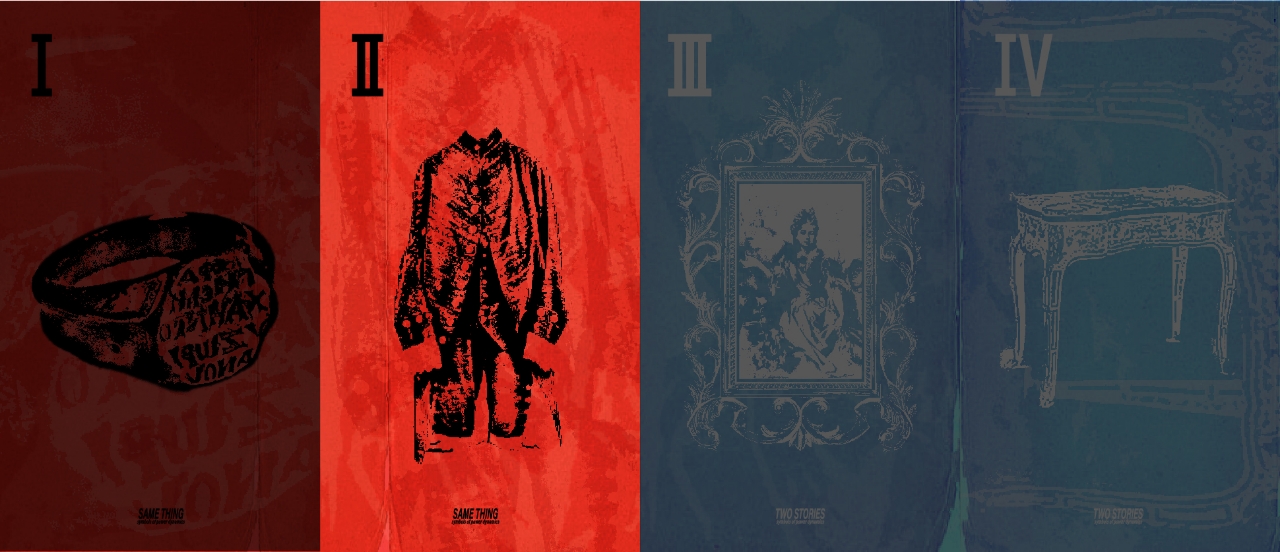
Same Thing, Two Stories: Symbols of Power Dynamics
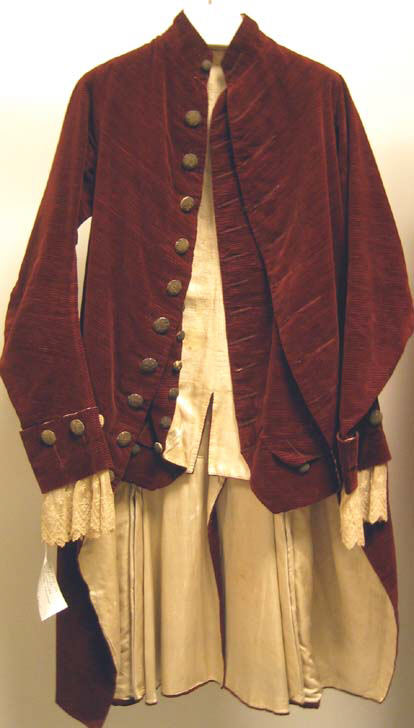
British Suit
1775-80
Marked with CC0 1.0
(Typical late-18th century design, made from a red, cotton based, corduroy fabric and decorated with metallic thread buttons.)
The cotton for this suit would have been harvested and processed through the use of enslaved labour in Britain’s Empire. Because of this, the suit would have been expensive and only worn by wealthy, Upper-Class, men. Therefore, this shows power through the use of enslaved labour to produce the material for the suit and power through wealth, shown by owning and wearing the suit.
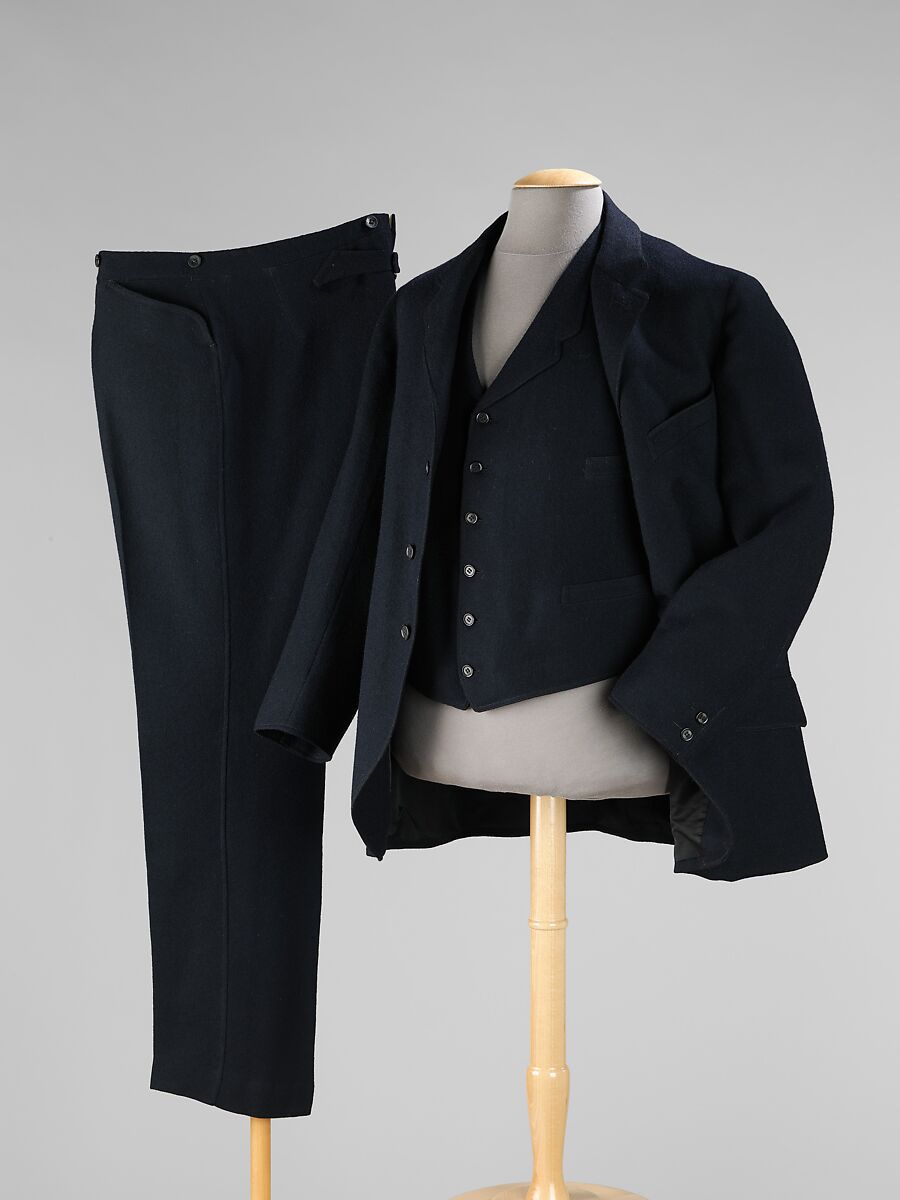
Department Store Suit
1901
Marked with CC0 1.0
(An early-20th century business suit, made from black wool with a silk lining. Bought from ‘The Walter Bugbee Company’ department store.)
As a result of the industrial revolution, higher quality suit materials became more available, and these garments were no longer reserved for a wealthy minority. This suit was advertised for Middle- and Upper-Class men through department stores, allowing fashion to reach wider audiences. Despite the decrease in power of the suit as a symbol of status, the materials are still evidence of power through exploitation as they were finished by exploited Working Class labour in mills, often women and children.
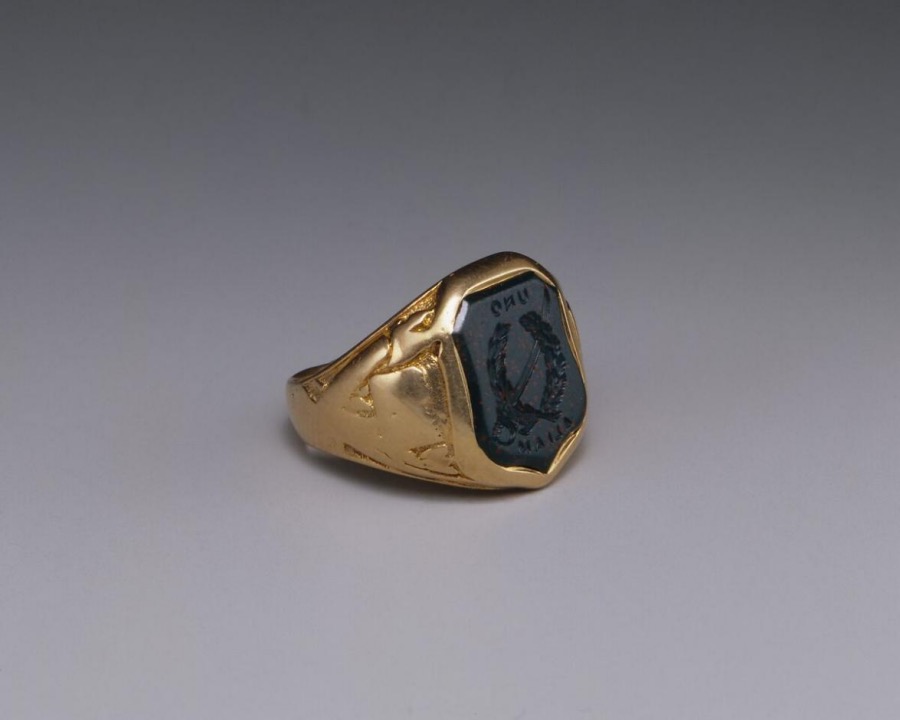
With thanks to The Metropolitan Museum of Art