

Hear the story
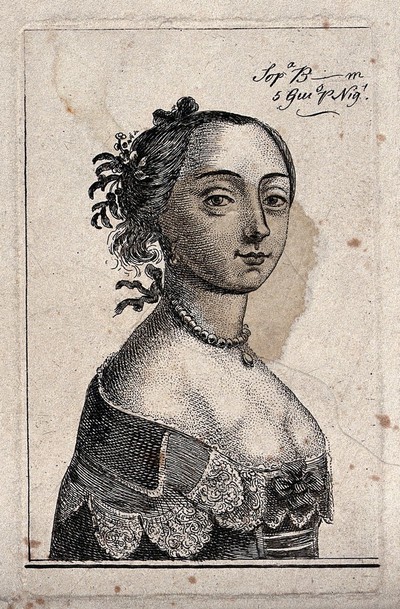
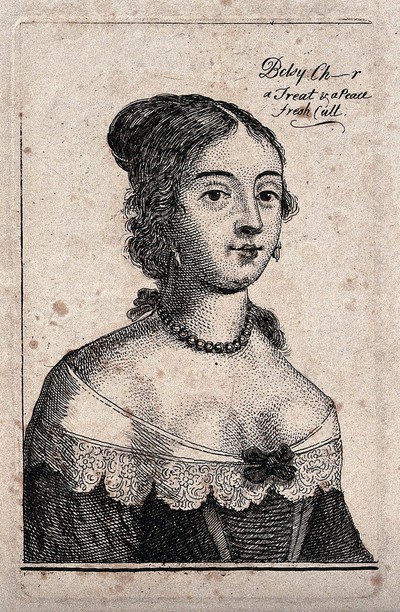
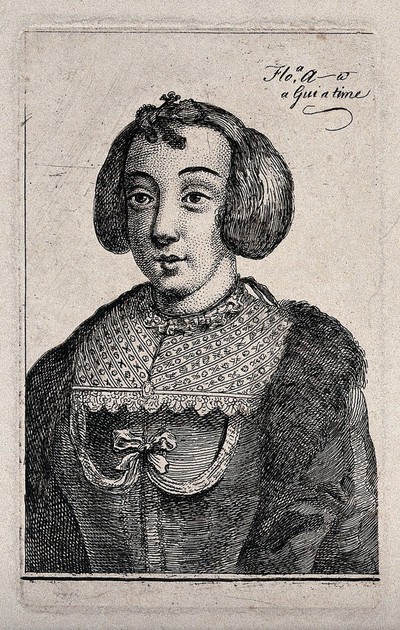
A prostitute with her name and charges
Between 1800 and 1809?, Etching ; Platemark 10.1 x 6.1 cm
Sex workers in Victorian society were vilified as “fallen women”. Police portraits reduced them to identical archetypes or female sexuality, erasing individuality. Sex work was conflated with poor health, disease, and immorality, while diagnoses like “hysteria” stigmatized women’s mental health. These attitudes reinforced harmful stereotypes about women’s sexuality and personhood.

Crimean War: Florence Nightingale going around the wards at Scutari Hospital
Illustrated London News, 1855, Wood engraving
Florence Nightingale transformed healthcare by pioneering modern nursing practices focused on hygiene, sanitation, and systematic care. Her work during the Crimean War dramatically reduced mortality rates and highlighted the vital role of nurses. Nightingale’s legacy not only elevated the nursing profession but also significantly improved women’s healthcare, advocating for better conditions, education, and recognition for women in the field.
Image sources:
https://wellcomecollection.org/works/atsry79x